Summer is the perfect time to upgrade your outdoor living spaces. From refreshing a backyard patio to building an outdoor kitchen or enhancing landscape features, outdoor home renovations can transform your property into a functional and inviting retreat.
While traditional fasteners like nails and screws remain important for many construction projects, modern outdoor construction adhesives have become an increasingly popular solution for creating cleaner, more seamless designs. These high-performance products can bond a wide range of materials while reducing visible hardware, minimizing material damage, and simplifying installation.
In this guide, you’ll learn how outdoor construction adhesives work, how to use them effectively, and which outdoor home renovations can benefit most from a no-nail approach.
Why Outdoor Construction Adhesives Are Transforming Outdoor Home Renovations
Outdoor living spaces have become an extension of the home. Homeowners increasingly want backyard environments that are attractive, durable, and low-maintenance.
As a result, builders and DIY enthusiasts are turning to outdoor construction adhesives to complement or reduce the need for visible mechanical fasteners. Several factors are driving this shift:
- Cleaner aesthetics with fewer exposed screws and nails
- Faster installation for many applications
- Reduced risk of splitting wood and composite materials
- Strong bonds across multiple substrates
- Improved moisture resistance
- Greater design flexibility
Unlike traditional fasteners that create individual attachment points, adhesives distribute holding power across the bonded surface. This can help improve durability while creating a smoother finished appearance. Many modern outdoor construction adhesives are also engineered to withstand exposure to weather, making them suitable for demanding exterior environments.
How to Use Outdoor Construction Adhesives
The key to achieving professional-looking results with construction adhesives is understanding proper application techniques. While each product has specific instructions, the overall process remains similar for most outdoor projects.
Step 1: Plan the Project
Before selecting an adhesive, identify:
- The materials being bonded
- The amount of weight the bond must support
- Environmental exposure conditions
- Desired appearance of the finished project
For example, installing decorative stone veneer requires different performance characteristics than securing deck trim or landscape blocks. Understanding your project requirements helps ensure you choose the correct product.
Step 2: Prepare the Surfaces
Surface preparation is one of the most important factors in successful adhesive applications.
Before applying adhesive:
- Remove dirt, dust, and debris
- Eliminate loose paint or coatings
- Clean away grease and contaminants
- Ensure surfaces are compatible with the adhesive
Proper preparation allows the adhesive to create a stronger and more durable bond.
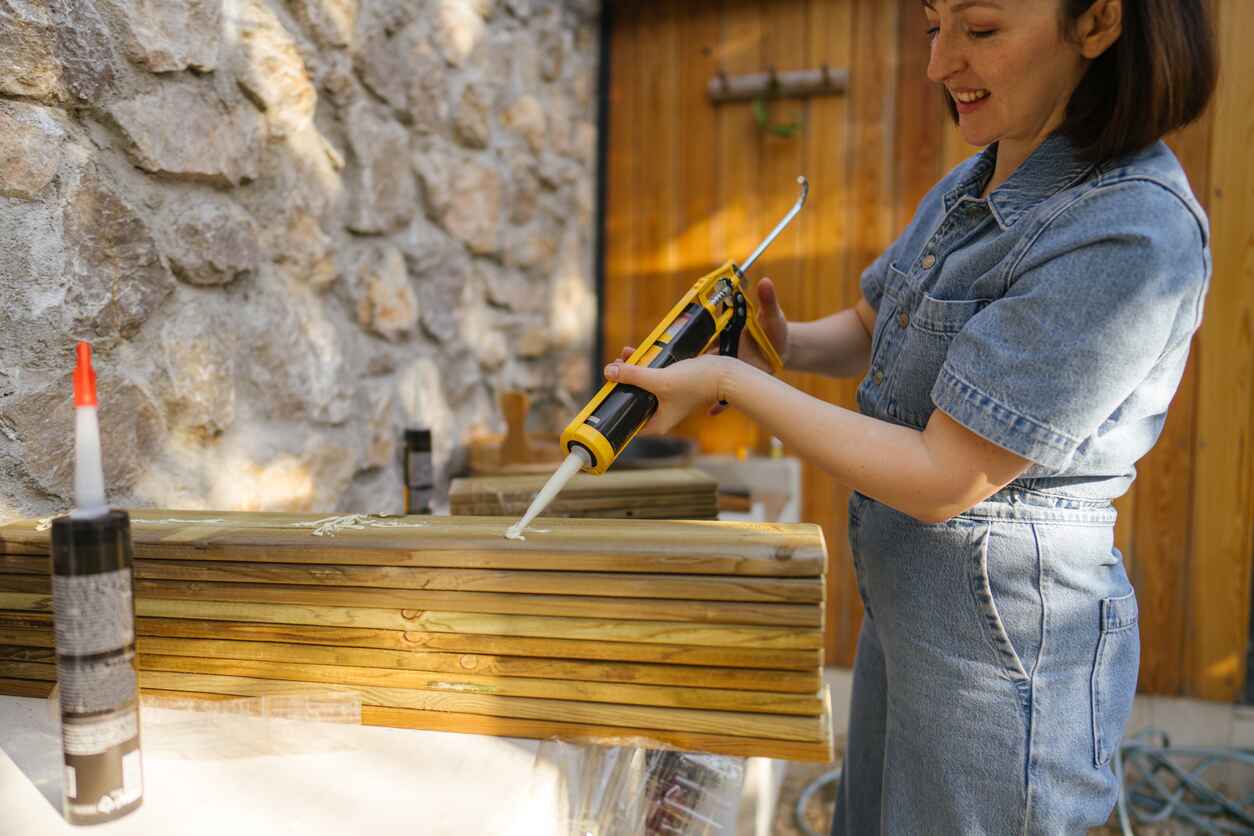
Step 3: Apply the Adhesive Correctly
Follow the manufacturer’s recommendations regarding bead size, coverage patterns, and application methods.
General guidelines include:
- Apply continuous beads where possible
- Avoid excessive adhesive application
- Maintain consistent coverage
- Press materials firmly together
Uniform application helps distribute loads evenly and creates a more reliable bond.
Step 4: Allow Proper Curing
Many homeowners rush this step, which can compromise performance.
During curing:
- Avoid disturbing bonded materials
- Follow recommended cure times
- Protect installations from excessive moisture if necessary
- Use temporary supports when required
Giving the adhesive enough time to fully cure helps maximize bond strength and longevity.
Step 5: Inspect the Finished Installation
Once curing is complete, inspect the project for any gaps, movement, or areas requiring touch-up work. A final inspection helps ensure your renovation will continue performing well throughout changing weather conditions.
Explore the Construction Solutions
Best Outdoor Home Renovation Projects for Construction Adhesives
Outdoor construction adhesives can be used across a wide range of residential improvement projects.
Deck and Patio Enhancements
Decks and patios are often the focal point of outdoor living spaces.
Adhesives can be used for:
- Deck trim installation
- Decorative fascia attachment
- Stair tread applications
- Accent features and edging
Using adhesives helps reduce visible fasteners and contributes to a cleaner overall appearance.
Outdoor Kitchens
Outdoor kitchens often combine several materials, including stone, concrete, metal, and composite products.
Construction adhesives can support:
- Stone veneer installations
- Decorative wall panels
- Backsplash applications
- Cabinet trim attachment
Their ability to bond dissimilar materials makes them especially useful in these projects.
Landscaping and Hardscaping
Many landscaping projects benefit from strong, weather-resistant bonding solutions.
Common applications include:
- Retaining wall cap installation
- Landscape block assembly
- Decorative stone placement
- Garden borders
- Planter construction
Benefits include improved aesthetics, faster installation, and long-term durability.
Pergolas and Decorative Structures
Adhesives can also support decorative elements within outdoor structures.
Examples include:
- Trim attachment
- Architectural accents
- Decorative moldings
- Surface panels
When combined with appropriate structural fastening methods, adhesives help create polished, professional-looking installations.
The No-Nail Advantage
One of the biggest advantages of using outdoor construction adhesives is the ability to create a seamless appearance. Traditional fasteners often interrupt visual lines and can detract from the overall design.
Cleaner Aesthetics
Reducing visible hardware helps create:
- Smooth surfaces
- Modern designs
- Improved curb appeal
- More refined finishes
This is especially important for high-end outdoor living spaces where appearance matters as much as functionality.
Reduced Material Damage
Nails and screws can sometimes crack, split, or damage materials during installation.
Adhesives help protect:
- Composite decking
- Decorative trim
- PVC materials
- Stone veneers
- Finished surfaces
This can improve both appearance and longevity.
Improved Moisture Protection
Every fastener penetration creates a potential entry point for moisture.
Reducing unnecessary penetrations may help:
- Minimize water intrusion
- Reduce rot risks
- Limit corrosion
- Improve overall weather resistance
For outdoor environments, moisture management is a critical consideration.
Choosing the Right Outdoor Construction Adhesive
The secret to a seamless build starts with choosing the right outdoor construction adhesive. Not all formulas are cut out for the brutal demands of exterior applications, making product selection the ultimate deciding factor in the long-term success of your renovation.
How Outdoor Construction Adhesives Work
Outdoor construction adhesives create bonds through chemical formulations designed to adhere to specific substrates while resisting environmental stress.
Many products are engineered to withstand:
- Moisture exposure
- UV radiation
- Temperature fluctuations
- Expansion and contraction
This allows them to maintain performance throughout changing seasons.
Key Factors to Consider
When evaluating products, consider:
- Material compatibility
- Environmental exposure
- Required bond strength
- Flexibility requirements
- Cure time
- Waterproof performance
Matching the adhesive to the project ensures better results.
Common Adhesive Types
| Adhesive Type | Best Uses | Benefits |
| Polyurethane | Wood, concrete, masonry | High strength and weather resistance |
| Hybrid Polymer | Multi-material projects | Flexibility and durability |
| General Construction Adhesive | Various exterior projects | Versatility |
| Landscape Block Adhesive | Hardscaping applications | Strong masonry bonding |
Reviewing product specifications before purchase helps ensure proper performance.
Explore the Construction Solutions
Best Practices for Successful Applications
Even premium products require proper installation techniques.
Follow Manufacturer Instructions
Each adhesive has specific application requirements.
Pay attention to:
- Surface preparation guidelines
- Temperature recommendations
- Cure times
- Coverage rates
These details directly impact performance.
Avoid Common Mistakes
Many adhesive failures result from preventable errors.
Common mistakes include:
- Using indoor adhesives outdoors
- Applying adhesive to dirty surfaces
- Ignoring cure times
- Working outside recommended temperatures
- Applying insufficient adhesive
Avoiding these issues can significantly improve project outcomes.
Use Adhesives as Intended
While construction adhesives are powerful tools, they should be used according to manufacturer recommendations. For structural applications, always follow building codes and use appropriate mechanical fastening methods where required.
Maximizing Durability
Outdoor renovations must withstand ongoing exposure to weather and environmental stress.
Choosing the right adhesive is only part of the equation.
Consider Seasonal Conditions
Summer renovations often expose materials to:
- Intense sunlight
- High temperatures
- Sudden rainstorms
- Humidity fluctuations
Plan projects around weather forecasts whenever possible.
Protect During Curing
Fresh adhesive bonds may require protection during the curing process.
Helpful strategies include:
- Covering exposed work areas
- Avoiding excessive movement
- Limiting moisture exposure
- Following cure-time recommendations
These precautions help maximize bond performance.
Perform Routine Inspections
Even well-installed projects benefit from periodic inspections.
Check for:
- Material movement
- Surface damage
- Moisture issues
- Signs of wear
Early intervention can help extend the lifespan of outdoor improvements.
Create a Seamless Outdoor Oasis with Leech Adhesives
Outdoor home renovations are about more than improving appearance. They are opportunities to create functional, enjoyable spaces that add value and comfort to your property.
By incorporating outdoor construction adhesives into your projects, you can achieve cleaner aesthetics, stronger bonds, and more durable installations with fewer visible fasteners. From decks and patios to landscaping features and outdoor kitchens, these versatile products help bring modern outdoor designs to life.
Leech Adhesives provides trusted adhesive solutions engineered to perform in demanding construction environments. Whether you’re a professional contractor or a homeowner planning your next backyard upgrade, choosing the right adhesive can help ensure long-lasting results.
Ready to start your next outdoor renovation? Explore Leech Adhesive’s full range of construction adhesive products and find the right solution for your project today.
Frequently Asked Questions
Can Outdoor Construction Adhesives Replace Nails And Screws Completely?
Not always. Structural applications may still require mechanical fasteners to meet building code requirements. However, adhesives can often supplement or replace fasteners in many decorative and non-structural applications.
Are Outdoor Construction Adhesives Waterproof?
Many outdoor-grade adhesives are formulated to resist water and weather exposure. Always review the manufacturer’s specifications before use.
What Materials Can Outdoor Construction Adhesives Bond?
Most products can bond wood, concrete, stone, brick, metal, composite decking, PVC, and other common exterior materials.
How Long Do Outdoor Construction Adhesives Last?
When properly applied, quality outdoor construction adhesives can provide years of reliable performance under normal outdoor conditions.
Can Adhesives Be Used For Landscaping Projects?
Yes. They are commonly used for retaining wall caps, landscape blocks, decorative stone features, garden borders, and other hardscaping applications.
What Is The Best Temperature For Applying Outdoor Construction Adhesives?
The recommended temperature range varies by product. Always follow manufacturer instructions for optimal application and curing conditions.