Interior home remodeling is about more than updating finishes and replacing outdated materials. Whether you’re renovating a kitchen, installing custom millwork, or upgrading an entire home, the ultimate quality of the project often comes down to the details most people never see.
That’s why professional contractors rely heavily on advanced, industry-leading adhesive solutions. While traditional nails and screws remain essential, modern construction adhesives do what mechanical fasteners can’t: they eliminate unsightly hardware, prevent future warping or squeaks, and create the flawless, seamless look homeowners expect.
The difference between a standard renovation and a master-class finish often comes down to how you stick things together. Here are five pro-grade adhesive secrets that will elevate your next interior remodeling project.
Why Interior Construction Adhesives Matter in Modern Interior Home Remodeling
Today’s remodeling projects frequently combine multiple materials within the same space. Wood, MDF, drywall, laminate, metal, PVC, and composite materials all have unique installation requirements.
Interior construction adhesives provide a versatile solution for bonding these materials securely while improving aesthetics and reducing installation challenges. Some of the primary benefits include:
- Strong and reliable bonding performance
- Reduced need for visible fasteners
- Improved load distribution
- Cleaner finished appearances
- Less risk of material splitting
- Faster installation in many applications
Unlike traditional fasteners that create individual connection points, adhesives help distribute holding power across the bonded surface. This often results in stronger and more uniform installations. As remodeling trends continue to prioritize clean lines and custom finishes, adhesives have become an essential tool for achieving professional results.
Find Products for Your Application
Secret #1: Match the Adhesive to the Material
One of the most common mistakes in interior home remodeling is assuming that a single adhesive works for every project. In reality, different materials possess unique physical properties that require specific bonding characteristics. This means choosing a formula tailored precisely to your substrate is critical to achieving long-term performance.
Consider the following examples:
| Material | Adhesive Considerations |
| Wood | High-strength construction adhesive |
| MDF | Low-moisture formulations |
| Drywall | Interior panel adhesive |
| Metal | Multi-surface bonding adhesive |
| PVC Trim | Flexible construction adhesive |
| Decorative Panels | Fast-grab adhesive systems |
Because each material responds differently to environmental shifts, movement, and stress, using an incompatible product can easily result in weak bonds, material warping, or premature failure. To avoid these issues, always review the manufacturer’s guidelines before breaking ground to ensure absolute compatibility between the adhesive and your surfaces. Taking just a few extra minutes to select the proper product now will prevent incredibly costly repairs down the road.
Secret #2: Surface Preparation Determines Bond Strength
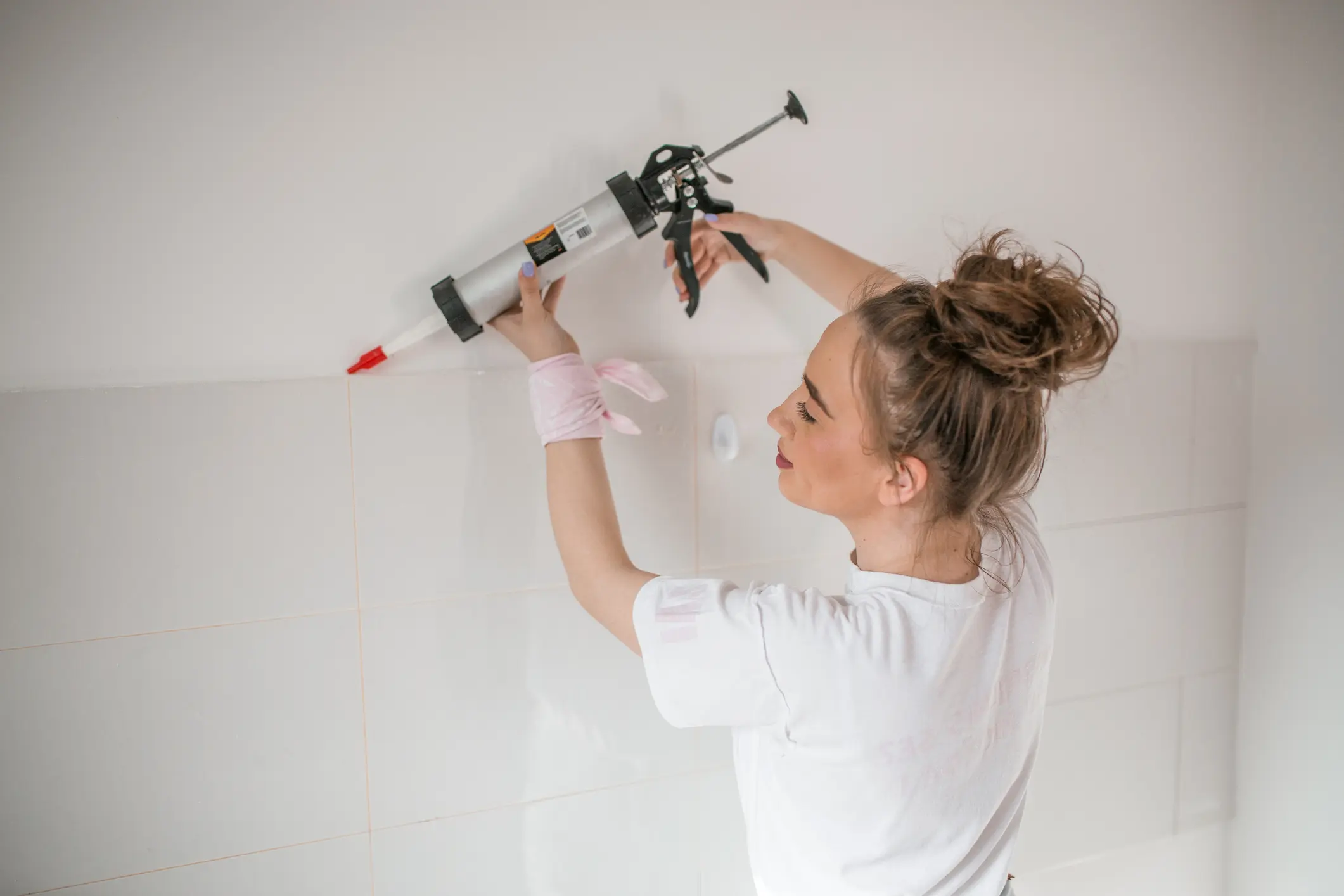
Even the highest-quality adhesive will fail if it is applied to a poorly prepared surface. Because of this, experienced remodelers know that successful bonding actually begins long before the adhesive tube is ever loaded into the caulk gun.
Before installation, surfaces should be:
- Clean and free of dust
- Dry unless otherwise specified
- Free of grease and contaminants
- Structurally sound
- Properly prepared according to product instructions
When ignored, microscopic dust and debris create a physical barrier that drastically reduces overall bond strength. For instance, installing heavy decorative wall panels over dusty, un-wiped drywall prevents the adhesive from ever making true contact with the wall itself.
Similarly, invisible grease or oils on kitchen cabinet surfaces will chemically weaken the bond, quietly compromising the entire installation. Fortunately, integrating a simple cleaning step into your workflow dramatically improves adhesive performance, yielding the long-term durability that separates a temporary fix from a permanent renovation.
Secret #3: Use Adhesives to Eliminate Visible Fasteners
The ultimate hallmark of a high-end remodel is a clean, seamless appearance. One of the most effective ways to achieve this pristine look is by drastically reducing the number of visible nails and screws throughout the project space.
Interior construction adhesives are commonly used to install:
- Crown molding
- Baseboards
- Decorative trim
- Accent walls
- Wall panels
- Cabinet components
- Decorative millwork
By minimizing exposed hardware, craftsmen create smoother surfaces that require far less tedious patching, sanding, and wood-filling. Beyond this obvious aesthetic upgrade, relying on adhesive bonding rather than heavy nailing helps prevent:
- Splitting in delicate trim
- Surface cracking
- Damage to finished materials
- Excessive touch-up work
Ultimately, this adhesive-first approach allows contractors to deliver the refined, flawless finish that homeowners increasingly demand. In practice, these products work hand-in-hand with traditional fasteners, providing massive structural backup while elevating the visual quality of the final handover.
Secret #4: Control Adhesive Application for Cleaner Finishes
When it comes to pro-grade results, adhesive quantity is just as vital as adhesive quality. While applying too little product inevitably results in weak, failing bonds, applying too much creates messy squeeze-out that tacks onto finished surfaces and spikes your cleanup time. The objective should always be consistent coverage without excessive volume.
Best practices include:
- Follow manufacturer recommendations
- Use appropriate bead sizes
- Apply continuous beads where possible
- Avoid overloading surfaces
- Maintain consistent spacing
Achieving this balance requires tailoring your application technique to the specific scale of the project. For example, installing narrow trim requires tight, delicate beads, while anchoring expansive wall panels benefits from multiple parallel adhesive lines distributed evenly across the surface.
This controlled precision directly protects the look of the room, as excess adhesive that oozes past material edges creates ugly imperfections that require aggressive scraping and refinishing. In the world of finish carpentry, true precision always produces a cleaner outcome than sheer excess.
Secret #5: Respect Cure Times for Professional Results
Perhaps the most frequently overlooked aspect of any adhesive installation is the chemistry of the curing process itself. Because modern remodeling projects operate on razor-thin schedules, there is constant pressure to rush from one phase of construction to the next. However, pushing ahead before an adhesive has fully set will instantly compromise its load-bearing strength and trigger long-term alignment issues.
Every formulation requires undisturbed time to develop its maximum holding capacity.
During curing:
- Avoid disturbing bonded materials
- Follow recommended cure schedules
- Maintain suitable environmental conditions
- Use temporary supports when necessary
Subjecting a joint to premature weight or movement disrupts the chemical links forming within the glue before they can fully mature. For example, while decorative wall panels may appear perfectly secure immediately after tacking them up, bumping or stressing them too early can permanently break the underlying adhesion. Exercising a little patience during this critical window ensures a rock-solid installation, allowing the product to perform exactly as it was engineered to do.
Find Products for Your Application
Common Interior Home Remodeling Projects That Benefit from Construction Adhesives
Interior construction adhesives are valuable across a wide range of remodeling applications.
Trim and Molding Installation
Adhesives help secure:
- Crown molding
- Baseboards
- Window trim
- Door casings
- Decorative molding
This reduces visible fasteners and creates cleaner finishes.
Kitchen Remodeling
Many kitchen upgrades benefit from adhesive technology.
Common applications include:
- Decorative panels
- Cabinet trim
- Backsplashes
- Wall accents
- End panels
Strong bonding performance helps support durable, attractive installations.
Accent Walls and Wall Panels
Feature walls continue to grow in popularity within modern interior design.
Construction adhesives can help install:
- Wood slat walls
- Decorative wall panels
- Shiplap features
- Acoustic panels
- Architectural accents
Adhesives simplify installation while helping maintain a seamless appearance.
Bathroom Renovations
Bathrooms often incorporate multiple materials within a limited space.
Construction adhesives can support:
- Trim installations
- Decorative wall elements
- Panel systems
- Specialty finishes
Proper adhesive selection is particularly important in environments exposed to humidity and moisture.
Built-In Storage and Custom Millwork
Custom shelving, built-ins, and millwork projects often require precise installations.
Adhesives help provide:
- Additional stability
- Cleaner appearances
- Reduced fastener visibility
- Improved assembly efficiency
These advantages contribute to a more polished finished product.
Why Adhesives Have Become a Remodeling Essential
The expectations surrounding interior home remodeling continue to evolve.
Homeowners increasingly seek:
- Minimalist aesthetics
- Clean architectural lines
- Custom features
- High-quality craftsmanship
- Long-lasting performance
Interior construction adhesives help support these goals by enabling cleaner installations and improving the overall quality of finished spaces.
As products continue to advance, adhesives have become more versatile, durable, and user-friendly than ever before.
Rather than replacing traditional fasteners entirely, they complement them by enhancing strength, improving aesthetics, and reducing installation challenges.
For many professional remodelers, adhesives have become a standard part of delivering premium results.
Achieve Professional Remodeling Results with Leech Adhesives
A flawless interior home remodeling finish isn’t just about selecting beautiful materials. It’s about using the right products and techniques to ensure those materials perform and look their best for years to come.
From choosing the proper adhesive for each material to preparing surfaces correctly, controlling application, and allowing adequate curing time, these five pro-grade adhesive secrets can help transform the quality of your remodeling projects.
Whether you’re installing trim, creating custom wall features, upgrading cabinetry, or completing a full-scale renovation, interior construction adhesives play an important role in achieving durable, professional-looking results.
Leech Adhesives provides dependable adhesive solutions designed to support a wide range of interior remodeling applications. With the right products and proper installation practices, homeowners and contractors can create beautiful spaces that combine strength, functionality, and lasting appeal.
Ready to elevate your next remodeling project? Explore Leech Adhesives’ full line of construction adhesive solutions and find the right product for your interior renovation needs.
Frequently Asked Questions
What Are Interior Construction Adhesives Used For?
Interior construction adhesives are commonly used for trim installation, wall panels, cabinetry, decorative millwork, accent walls, and other remodeling applications where strong, reliable bonding is required.
Can Construction Adhesives Replace Nails And Screws?
In some non-structural applications, adhesives may reduce or eliminate the need for visible fasteners. However, certain projects still require mechanical fasteners to meet performance and safety requirements.
Why Is Surface Preparation Important When Using Adhesives?
Clean surfaces allow adhesives to achieve maximum contact and bond strength. Dust, grease, and debris can interfere with adhesion and reduce performance.
How Long Do Interior Construction Adhesives Take To Cure?
Cure times vary depending on the product, materials, and environmental conditions. Always follow the manufacturer’s recommendations for best results.
Are Construction Adhesives Suitable For DIY Remodeling Projects?
Yes. Many interior construction adhesives are designed for both professional contractors and DIY homeowners, provided the product instructions are followed carefully.