In the world of residential construction, a home is only as strong as its weakest point of entry. While architectural beauty and structural integrity often take center stage, the invisible line of defense, being the sealants and adhesives used throughout the building, determines whether a house becomes a lifelong sanctuary or a maintenance nightmare.
Weatherproofing isn’t just about keeping rain out; it’s about managing air infiltration, preventing vapor transmission, and ensuring that the home remains energy-efficient and mold-free for decades. For modern builders, the stakes are higher than ever with evolving building codes and demanding climate patterns.
To achieve a high-performance “tight” house, professionals are turning to the chemical expertise of industry leaders like Leech Adhesives. With a legacy of bonding power dating back decades, Leech provides the industrial-grade solutions necessary to seal a home from foundation to ridge vent.
In this guide, we will explore the critical areas of weatherproofing and the specific Leech Adhesives products that should be in every builder’s arsenal.
The Building Shell: Why “Close Enough” Isn’t Enough
The building shell, also known as envelope, is the physical separator between the conditioned and unconditioned environment of a building. When this shell is compromised, energy bills skyrocket and structural components begin to rot.
Consider a new build in the Pacific Northwest. Without high-quality flashing sealants around window headers, wind-driven rain can seep behind the siding. Over five years, this “micro-leak” can rot the OSB sheathing and create a breeding ground for black mold, often hidden until the damage costs tens of thousands of dollars to repair.
Using a premium sealant like Leech’s Silicone Sealants ensures that even under extreme thermal expansion and contraction, the bond remains flexible and watertight.
Browse Leech Adhesives Products
Windows and Doors: The Primary Vulnerability
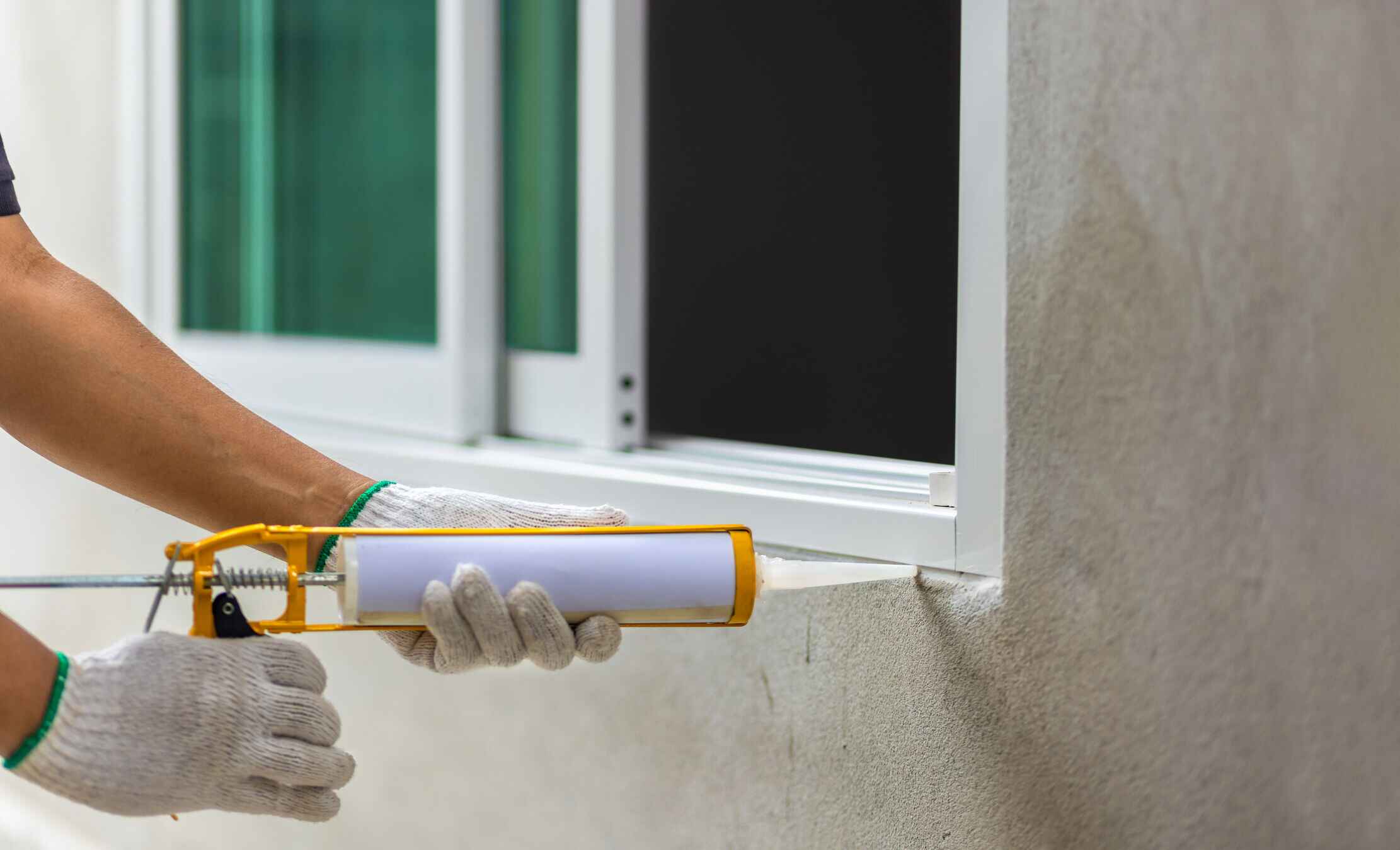
Windows and doors are the most common points for water intrusion. A builder can buy the most expensive triple-pane windows on the market, but if they are installed with cheap, hardware-store-grade caulk, the system will fail.
The Solution: High-Performance Sealants
Look for specialized sealants designed to bond to various substrates including vinyl, wood, aluminum, and masonry.
- Adhesion: Unlike standard caulks that peel away over time, Leech products are formulated to “bite” into the surface.
- Flexibility: As a house settles, windows move. Leech sealants offer high movement capability, meaning they stretch rather than snap.
For example, homes in coastal regions are exposed to salt air that can degrade inferior adhesives. Builders using Leech’s Heavy Duty construction adhesives and specialized exterior sealants find that their seals remain intact despite high UV exposure and corrosive environments.
Subfloors and Structural Bonding: Preventing Air Leaks from Below
Weatherproofing isn’t just an exterior job. Air infiltration through subfloors and sill plates can account for up to 30% of a home’s heat loss.
When a builder applies Leech’s F-26 adhesive they aren’t just preventing floor squeaks. They are creating a continuous gasket between the joist and the subfloor. This prevents air from “whistling” through the gaps from a crawlspace or basement into the living quarters.
Get a Quote on Our Adhesive Supplies
Exterior Siding and Trim: The First Line of Defense
The “Rain Screen” principle is a modern construction strategy that assumes no siding is 100% waterproof. Instead of trying to create a single, impenetrable wall, a rain screen relies on a two-layered defense: the exterior cladding (siding) sheds the bulk of the water, while a small air gap behind it allows any moisture that sneaks through to drain away or evaporate.
However, for a rain screen to function, the “holes” in the shell must be perfectly managed. At joints, corners, and penetrations (like hose bibs or electrical outlets), the sealant does the heavy lifting. If these points aren’t sealed with industrial-grade products, water doesn’t just sit on the siding—it gets trapped in the air gap, leading to structural rot.
Many builders make the mistake of using a “one-size-fits-all” caulk. However, different materials expand and contract at different rates, a phenomenon known as differential movement:
- Brick to Wood: Requires high-modulus elasticity to bridge the gap between heavy masonry and shifting timber.
- PVC Trim: Requires an adhesive that won’t “melt” or chemically react with the plastic but still provides a permanent, weather-tight bond.
Leech’s Real Wood Filler are staples here. For exterior decorative trim that needs to withstand the elements, their waterproof bonding agents ensure that joints stay tight and seamless, preventing water from ever getting behind the facade.
Roofing and Flashing: Where Gravity Works Against You
A roof is the most punished part of any home. From scorching summer heat to freezing winter ice dams, the adhesives used in flashing and shingle repair must be “indestructible.”
Using Leech Adhesives’ specialized sealants around chimney flashings and skylights provides a secondary barrier that far outlasts traditional roofing cement. In a real-world scenario—such as a sudden Midwestern hail storm—the integrity of these seals determines whether the interior drywall stays dry or becomes a soggy mess.
The Cost of Cutting Corners
In a 2,500-square-foot home, the cost difference between using the cheapest available sealants and using a premium suite of Leech Adhesives products is often less than $500.
Compare that to the cost of a single callback. If a homeowner reports a leak around a window six months after move-in, the builder loses money on labor, materials, and reputation. By “over-speccing” the adhesives and sealants at the start, you are essentially buying an insurance policy for your craftsmanship.
The Leech Standard: Engineering Longevity
In the world of modern construction, a structure is only as strong as its weakest bond. Leech Adhesives provides the chemical backbone for high-performance building envelopes. By choosing our advanced polymer blends, you aren’t just buying glue; you’re investing in moisture-vapor protection and superior shear strength.
From high-tack subfloor adhesives that eliminate squeaks to UV-resistant roof sealants, Leech ensures your building envelope remains impenetrable. When the margin for error is zero, why risk a $500,000 build on a bargain-bin sealant? Elevate your standard with Leech Adhesives—the professional choice for structural integrity.
Get a Quote on Our Adhesive Supplies
Adhesives for Weatherproofing a Home FAQs
1. Can I apply Leech sealants to wet surfaces?
While most adhesives and sealants perform best on dry surfaces, several Leech products are formulated to have high moisture tolerance. This is essential for builders working in humid climates or during seasons where wood framing may be damp. Always check the specific product technical data sheet (TDS) for application requirements.
2. How long do Leech adhesives take to cure in cold weather?
Cure times vary based on temperature and humidity. Generally, colder temperatures slow down the chemical reaction. However, Leech Adhesives offers specific formulas designed for “all-weather” application that maintain a faster set-time even when the temperature drops, ensuring your project stays on schedule.
3. Which Leech product is best for sealing windows?
For window installations, we recommend our high-grade silicone sealants. These provide the necessary UV resistance and “elastomeric” properties (the ability to stretch and return to shape) required to handle the movement between the window frame and the home’s siding or masonry.