All Posts By

Leech Adhesives

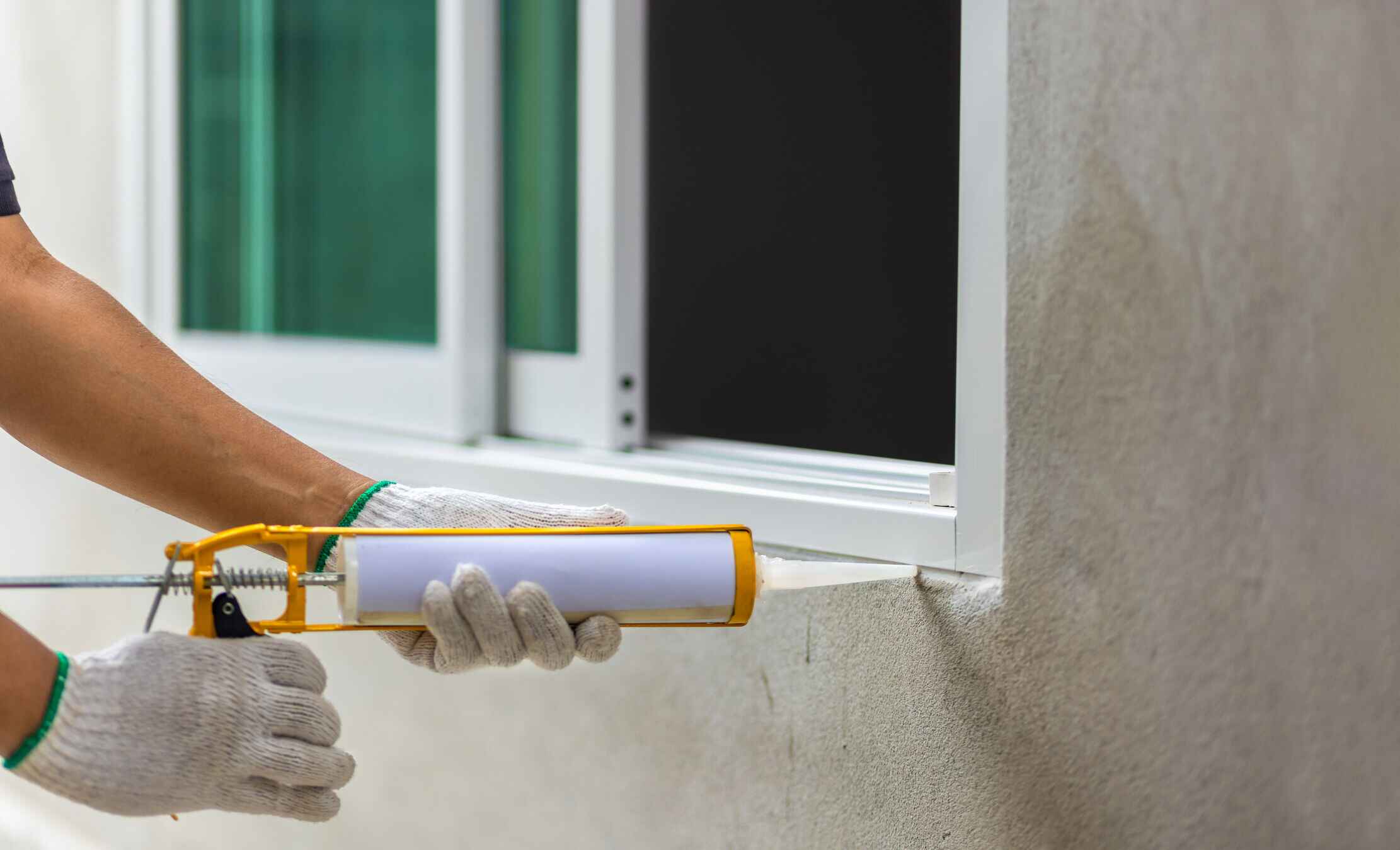
woman using adhesive for interior construction project

Start Indoors, Stay Profitable: Interior Remodeling Projects That Stick (and Sell)

By Adhesive Tips No Comments

Start Indoors, Stay Profitable: Interior Remodeling Projects That Stick (and Sell)

Interior remodeling is not just about keeping your crew busy year-round; it’s about maximizing your resources and delivering projects that truly impress potential buyers.

In the competitive world of real estate and remodeling, the products you use can determine not just the project outcome, but overall profitability. Choosing adhesives that fail can mean more money and time spent in the long run, which no construction owner or team member wants!

That’s why the adhesive experts at Leech Adhesives have compiled some of the top 5 interior remodeling projects to consider this winter season to help with longevity and overall profit.

1. Remodeling Project 1: Kitchen Cabinet & Counter Refacing

The kitchen is the heart of the home and the number one ROI driver. Projects focusing on cabinetry and countertops offer maximum visual impact for minimal structural work. Whether you are installing a new heavy-duty pantry or refacing existing cabinet doors, the adhesive must be uncompromisingly strong.

The Leech Solution: F-26® Construction Glue & X-30® Contact Cement

For securing the main cabinetry frames and mounting blocks to the wall studs, there is no substitute for the strength of F-26® Premium Quality Waterproof Construction Adhesive. F-26 delivers a powerful, long-lasting bond that prevents cabinet sag and movement. For laminate or veneer countertop applications, which require a fast, permanent bond across a wide surface area, the X-30® Contact Cement provides a heat-resistant, reliable solution that ensures the finish won’t peel or bubble over time. Efficiency equals profitability, and Leech products reduce the risk of costly post-sale failures.

2. Remodeling Project 2: Bathroom Tub Surround and Vanity Upgrades

Bathrooms are second only to kitchens in driving property value. A quick, cost-effective bathroom refresh often involves replacing the vanity, upgrading wall paneling, or installing new tub surrounds. These are high-humidity, high-risk areas where water resistance is paramount for a profitable job.

The Leech Solution: F-13® Construction Adhesive & Silicone Rubber Sealant

When installing plastic or fiberglass tub enclosures and surrounds, you need an adhesive that is durable yet versatile. The F-13® High Quality Construction Adhesive is specifically formulated for these materials. It offers excellent water resistance and maintains a ductile, flexible bond that can absorb the slight movement of plastic panels without cracking. For sealing the perimeter of the tub, shower pan, and vanity backsplash, this type of product is the best choice. This sealant provides a long-term, water-tight barrier against leaks and mold, protecting your profit margin from expensive water damage call-backs down the line.

3. Remodeling Project 3: Interior Trim & Molding Installation

The small details often carry the most weight in a sale. Flawlessly installed crown molding, baseboards, and window casings add perceived value and give a polished, high-end look that justifies a premium price. The goal is a seamless finish that hides all imperfections.

The Leech Solution: Real Wood Filler & F-13® Construction Adhesive

For securing long lengths of molding and trim, the F-13® Construction Adhesive provides a strong hold and enough working time (10–20 minutes) to perfectly align joints and copes before it cures. This prevents gaps from appearing when the wood contracts during the winter heating season.

The secret to a profitable trim job is the finish. Whether it’s filling nail holes or small defects, Real Wood Filler is a top-tier choice. It is both sustainable and permanent, meaning a repair with Real Wood Filler won’t crack over time. A flawless finish can drastically enhance the look and quality of the entire remodel.

4. Remodeling Project 4: Subfloor Stabilization and Flooring Prep

One major complaint, and reason for home remodels, is due to noise issues. The fall and winter months are the ideal time to examine subfloor issues prior to any new applications being laid. The prep work is key to delivering a high-quality finished project in any remodel. 

The Leech Solution: F-26® Premium Quality Construction Adhesive

Use the F-26® Construction Glue to permanently adhere loose subflooring sheets to the joists. F-26 provides a structural bond and can help to eliminate squeaks in the home coming from the floor. This adhesive is known for being heavy-duty and fills minor gaps, creating a rigid, clean surface. By using F-26, you solve a major homeowner complaint proactively, boosting client satisfaction and reducing the chance of retention or repair requests. 

5. Remodeling Project 5: Accent Walls and Interior Paneling

Accent walls, like shiplap, wainscoting, or custom paneling, are highly trending design features that offer excellent visual ROI without the high cost of full wall replacement. These projects are fast, profitable, and require an adhesive that maintains flexibility over drywall or plaster.

The Leech Solution: F-13® Construction Adhesive & Tap-N-Glue

F-13® is the ideal choice for paneling. Its consistent quality and superior application make it easy to work with on vertical surfaces. It keeps its flexibility and ductility as it ages, which is key for paneling, which may move slightly with temperature and humidity changes.

When it comes to more complex panel repairs, like built-in shelving, our Tap-N-Glue product can offer a precision solution. Tap-N-Glue is known for its attention to detail that allows for quick, targeted fixes that maintain the high quality of the finish work, keeping your project timeline tight and your profits secure.

Stick to Quality with Leech Adhesives 

The common thread running through all profitable interior remodels is the adherence to quality products. Contractors and construction professionals who use Leech Adhesives products are the ones whose projects stick, and find themselves securing long-term customer satisfaction and profitability.

Don’t risk your reputation on second-rate glues. Ensure your interior remodel is built to last with the quality adhesives trusted by professionals since 1930. Contact us at Leech Adhesives today, and get ready for your next interior remodeling project.

Adhesive tips to prep for winter construction.

10 Fall Construction Projects to Prep for Winter

By Adhesive Tips No Comments

10 Fall Construction Projects to Prep for Winter

While the days may be getting shorter in the fall months, the team at Leech Adhesives understands that many contractors, builders, and DIYers may not be winding down. Mainly because fall is the ideal time for winterizing structures, ensuring homes are protected from freezing temperatures, wind, and snow. A winterizing project is not solely about comfort; it’s about preventing costly, structural damage. To guarantee your work stands up to the elements, you need adhesives that are proven to be as tough as the job demands. The adhesive experts at Leech Adhesives have compiled a list of the top 10 fall construction projects to consider so that your homes or businesses are winter-ready.

The 10 Essential Fall Construction Projects

1. Structural Subfloor Repair and Installation

Cold weather often brings increased moisture, which can aggravate existing issues like subfloor movement and squeaks. A solid subfloor is foundational to winter-long comfort and stability.

The Leech Solution: F-26® Premium Quality Waterproof Construction Adhesive

F-26 was the first adhesive to pass the American Plywood Association AFG-01 specs for gluing plywood to wood flooring joists. It delivers extreme shear strength, remains flexible to absorb movement, and is genuinely waterproof. Use F-26 to prevent future squeaks and ensure the subfloor bond isn’t compromised by winter moisture exposure.

2. Insulating the Attic and Crawlspace

The key to maintaining interior temperature and reducing energy bills through the winter is a well-sealed thermal envelope. Sealing air leaks and adding insulation are top priorities.

The Leech Solution: F-13® High Quality Construction Adhesive

If your insulation material includes polystyrene foam board (a common choice for its excellent R-value), you must use an adhesive that won’t degrade it. F-13’s formula is specifically designed to safely bond foamboard to construction materials, such as plywood or drywall, ensuring your insulation stays securely in place for years.

3. Exterior Deck and Porch Repair

Exterior structures, especially those made with treated lumber, face the most demanding conditions. Freeze-thaw cycles challenge the integrity of every fastener and joint.

The Leech Solution: F-26® Construction Glue

F-26 is widely trusted for use on treated lumber and in “hostile” environments. When bonding new deck posts, railings, or steps, F-26 provides a high-strength, weatherproof bond that is unaffected by humidity, vibration, or extreme temperatures (performing reliably from -20°F to 150°F).

4. Sealing Air Leaks and Penetrations

Before the cold front arrives, hunt down every gap and crack where exterior elements (and pests) can sneak in. This includes utility penetrations, vent stacks, and wire pathways.

The Leech Solution: Silicone Rubber Sealant

For sealing joints and gaps, a high-quality silicone sealant is non-negotiable. Leech’s sealant offers excellent durability, flexibility, and a weather-tight barrier against snow, rain, and drafts. It’s the perfect perimeter defense to lock in the heat.

5. Securing Trim and Molding

Loose window trim or door casings can quickly become entry points for water, potentially leading to rot and mold during the winter. Fall is the time to secure these elements structurally.

The Leech Solution: F-26® Construction Glue

For heavier exterior trim and wood-to-metal applications, F-26’s incredible grip and enduring flexibility ensure the bond will not fail when the material expands and contracts due to large temperature swings and it is powerful enough to hold materials firmly until full cure.

6. Bathroom and Kitchen Backer Board Installation

If you have a wet-area renovation scheduled, completing the backer board installation now ensures the structural integrity of the walls before winter moisture puts stress on your home’s plumbing and ventilation.

The Leech Solution: F-13® High Quality Construction Adhesive

F-13 is known for being water-resistant, and its ideal for general-purpose applications like securing drywall, plywood, and ceramic tile. Further, it also provides a durable, flexible bond that makes it reliable in high-humidity areas like bathrooms and kitchens, helping the installation survive seasonal humidity shifts.

7. New Window and Door Installation

Whether you’re replacing aging units or installing new ones, proper structural adhesion of the frame to the rough opening is critical for structural and energy efficiency.

The Leech Solution: F-26® Construction Glue and Silicone Rubber Sealant

Apply F-26 for a robust, long-lasting structural bond between the frame material and the wall framing. Finish the job by running a bead of Leech’s Silicone Rubber Sealant to create a flexible, weatherproof seal against air and water intrusion around the exterior perimeter.

8. Paneling and Wallboard Applications

Interior renovations often require installing new wall materials, like paneling or drywall. A quick, reliable installation is key before contractors’ schedules tighten up closer to the holidays.

The Leech Solution: F-13® High Quality Construction Adhesive

F-13 is a versatile mastic that bonds paneling and drywall quickly. It can also offer a 10–20-minute working time, allowing you to precisely align large, awkward sheets before the adhesive locks into place. It also stays ductile and offers good longevity, preventing nail pops or brittleness.

9. Repairing Wood Cracks and Defects

Interior wood elements, like baseboards, crown molding, and built-ins, can show gaps and cracks as dry winter heat kicks in. Prepping these during October and November can help to save rework later.

The Leech Solution: Real Wood Filler

At Leech Adhesive, we offer a high-quality filler that allows you to seamlessly repair defects in wood surfaces. This is an essential prep step for interior trim work that needs to look flawless before painting or staining.

10. Bonding Metal Components

From commercial metal stud walls to smaller metal thresholds and signs, the bond must be strong enough to resist the expansion and contraction of metal in cold air.

The Leech Solution: F-26® Construction Glue or X-30® Contact Cement

F-26 is excellent for bonding heavier metal components to wood or masonry. For applications requiring a fully waterproof, oil, and gasoline-resistant bond (often seen in industrial or commercial environments), Leech’s X-30® Contact Cement provides exceptional, long-term durability.

Stick with Leech Adhesives for Cold-Weather Confidence

Choosing the right construction adhesive isn’t a small detail; it’s a foundational step that determines the longevity and reliability of your construction projects or work. The change in season brings challenging conditions, and only adhesives built to withstand extreme climates and temperatures will keep structural integrity in the long haul.

Whether you need the powerful, structural, and waterproof bond of F-26, the polystyrene foam-safe versatility of F-13, or the flexible protection of Leech’s Silicone Rubber Sealant, Leech Adhesives provides a proven, USA-made solution for every project on your fall checklist.

Don’t compromise your winter prep with inferior products. Stick with Leech Adhesives this winter season. Contact us today to learn more and get winter ready today!

F-13 vs F-26 Adhesives

F-13 vs. F-26: Which One’s Right for Your Job? 

By F-13, F-26 No Comments

F-13 vs. F-26: Which One’s Right for Your Job? 

When it comes to high-strength, reliable construction adhesives, Leech Adhesives has been the trusted name since 1930. We proudly offer two top solvent-based construction glues: F-26 and F-13.

While both adhesives are weatherproof and popular go-to choices for construction projects, their chemical compositions and specific application strengths differ significantly. Choosing the wrong one could negatively impact the overall integrity and longevity of your project.

With that in mind, the team at Leech Adhesive wants to help you understand the key differences between Leech F-26® and Leech F-13® to help you select the right adhesive needed for your next construction project.

F-26: The Premier Heavy-Duty Workhorse

Our Leech F-26® Premium Quality Waterproof Construction Adhesive is recognized for its high strength and durability in demanding applications. F-26 is a premium, multi-purpose adhesive chosen for maximum structural bonding and permanence in challenging conditions.

F-26 Key Applications

F-26 is best suited for high-stress, permanent installations such as:

  • Subfloors: Frequently used to eliminate floor squeaks by permanently bonding plywood to wood joists.
  • Metal to Porous Substrates: Suitable for securing metal stud walls, stair treads, door saddles, metal moldings, and electrical outlet boxes.
  • Heavy Construction: Bonds fiberglass, fiberboard, and treated lumber, especially in moist or challenging environments.
  • General Exterior Work: Provides maximum strength and moisture-proofing in outdoor applications where these properties are required.

F-26 Pros

  • Unrivaled Strength and Durability: F-26 is described as the “most powerful” and “longest lasting” construction adhesive in the industry, continuing to strengthen and stay flexible over time.
  • Superior Waterproofing: This product is genuinely waterproof, making it excellent for outdoor construction and highly moisture-prone areas.
  • Extreme Temperature Tolerance: It is designed to withstand extreme climates, operating within application temperatures ranging from 0°F to 120°F and surviving service temperatures from -20°F to 150°F.
  • Gap-Filling: The thick mastic fills gaps, irregularities, and voids in materials, ensuring a solid, continuous bond surface.
  • Momentary Pressure Hold: Parts are held in place with only momentary pressure, achieving a fast hold that saves time on bracing.

F-26 Cons

  • Solvent Content: Like many high-performance adhesives, it is solvent-based and requires proper ventilation.
  • Not Foam-Friendly: The powerful solvents in F-26 are typically too aggressive for sensitive materials like polystyrene foam insulation, which leads us directly to the F-13.
  • Higher Cost: Due to its premium formulation and exceptional performance metrics, F-26 typically comes at a higher price point than general-purpose glues.


F-13: The Versatile Foam and Finish Specialist

Meanwhile, our Leech F-13® High Quality Construction Adhesive is a highly versatile, interior/exterior construction glue designed to solve a variety of construction projects, particularly those involving more sensitive or finished materials. While F-26’s main perk is strength, F-13 is about targeted versatility and flexibility.

F-13: Key Applications

Selecting F-13 is the best option when working on the following construction projects:

  • Polystyrene Foam: Insulation (like polystyrene foam) and panels
  • Tub Surrounds: Installing plastic and fiberglass tub enclosures and surrounds.
  • Finishing Materials: paneling, drywall, ceramic tile, and general home construction and remodeling.

F-13 Pros

  • Polystyrene Foam Compatibility: The essential feature. It allows you to adhere foam insulation to most building materials safely.
  • Excellent Working Time: Offers a substantial 10-20 minute working time, allowing for precise placement, alignment, and adjustments of materials like large panels or tub surrounds.
  • Ductile and Flexible: The formula stays ductile and flexible with age, preventing brittleness and providing a solid yet movable bond that can accommodate movement in building materials over time.
  • Effective in Cooler Temps: Works well in colder environments, with an application temperature range starting at 0°F.
  • Water Resistance: It provides excellent water resistance, suitable for wet areas like tub surrounds and exterior paneling (although not for continuous submersion).

F-13 Cons

  • Flammable: F-13 is classified as EXTREMELY FLAMMABLE with a low flash point (<0°F) and requires positive cross-ventilation during use.
  • Temperature Restrictions on Foam: It is crucial not to apply F-13 to polystyrene foam if the temperature is 90°F or higher, as the solvent action may become too aggressive.
  • Water Immersion: It is not designed for continuous submersion. If your job requires the absolute highest degree of waterproofing and submerged performance, stick with F-26.
  • Slow Drying: The working time is long, which means a full cure can take up to 24 hours, requiring temporary bracing.

Contact Leech Adhesives 

Side by Side Comparison: F-13 vs. F-26 

Feature Leech F-26® (The Workhorse) Leech F-13® (The Specialist)
Primary Strength Ultimate Structural Strength, Climate Tolerance Polystyrene Foam Compatibility, Versatility
Foam Safe NO (Solvents attack foam) YES (Designed for polystyrene)
Water Performance Waterproof (Suitable for tough conditions) Water-Resistant (Not for continuous submersion)
Extreme Climate Superior performance in extreme heat/cold. Good, but limited foam application above 90°F.
Working Time Fast hold, quick tack (Momentary pressure) 10-20 Minutes (Allows for adjustments)
Flammability Lower risk/higher flash point (Varies by product batch) Extremely Flammable (Low flash point, requires extreme caution)
Key Uses Subfloors, Treated Lumber, Metal Studs Foam Insulation, Tub Surrounds, Paneling, Drywall


Which Adhesive is Right for Your Construction Project Per the Leech Adhesive Experts:

Select F-26 For Your Construction Project When:

  • You are bonding structural pieces such as subflooring or load-bearing wall studs.
  • You are working with treated or wet lumber, especially in colder climates.
  • Your construction projects require heavy-duty strength and a waterproof bond, such as exterior decks or structural elements exposed to the weather.

Select F-13 For Your Construction Project When:

  • Your project involves polystyrene foam insulation (like rigid foam sheets on foundation walls or siding).
  • You are installing a plastic or fiberglass tub enclosure/surround.
  • You need a longer working time to align large pieces of paneling or intricate finishes.
  • You are working on non-structural interior finishes that require a flexible, non-brittle bond.

F-13 and F-26 From Leech Adhesives

Ultimately, both the F-13 and F-26 from Leech Adhesives represent decades of commitment to quality, offering contractors reliable solutions for diverse job site needs. By understanding the main differences, you can ensure your adhesive choice will provide you with the best construction project outcome. 

Have more questions about F-13 and F-26 products? Then contact our Leech Adhesive team today to learn more and set you on the right path for your next construction project!

Adhesive being applied to construction.

How to Store and Extend the Life of Your Construction Adhesives

By News No Comments

Choosing a high-performance adhesive is only part of the job. If you want that product to work as intended next time you grab it, proper storage matters just as much as product selection. With a few simple practices, you can prevent waste, protect your materials, and make every Leech adhesive product last.

Storing Squeezable Tubes: Keep the Nozzle Clear

Squeezable tubes are common in smaller adhesive applications. These powerful formulas don’t require much to get the job done, but they can quickly dry out if stored improperly.

After each use, squeeze a small amount of adhesive directly into the cap before sealing the tube. Then, tighten the cap snugly so the adhesive flows to the edges and creates a seal at the nozzle, helping to prevent air from drying out the product inside.


This technique helps keep the nozzle clear of dried glue—one of the most common failure points when reusing partially-used adhesive.

Storing Adhesive Cartridges: Create a Natural Plug

For cartridges used with glue guns or caulking tools, you should let a small plug form at the tip to preserve the integrity of the remaining product.

Here’s how to do it:

  1. After use, let a small bead of adhesive remain at the tip.
  2. Allow it to dry in a clean, dry area for a few hours.
  3. Before your next use, simply squeeze the tube to pop out the plug, ensuring a clean flow.

This plug blocks air and moisture from entering the cartridge—preserving the adhesive inside. Just make sure to remove any dried bits before applying the glue to a new surface.

Tip Protection Alternatives: Quick Fixes That Work

No cap? No problem. While what we have below aren’t a long-term solution, it can buy you time until the next use (or next tube). Try these simple solutions to protect your adhesive’s tip:

  • Tape: Wrap a small piece of plastic or tape around the nozzle. Secure with a rubber band if needed.
  • Glove Finger: Cut the finger off a rubber glove and stretch it over the tip.
  • Replacement Cap: Whenever possible, use the original cap. It’s designed to provide the best seal.

Ideal Storage Temperatures for Construction Adhesives

Where you store your adhesive matters. Extreme temperatures can damage the formula, cause it to separate, or create a safety risk. Avoid tossing tubes into a toolbox or the backseat of your truck. Drastic temperature shifts can shorten product life fast.

Follow these temperature guidelines:

  • Keep below 85°F: Excessive heat can break down chemical bonds.
  • Avoid freezing: Adhesives may become brittle or unusable once thawed.
  • Choose a dry, shaded location: Steer clear of direct sun and humidity.

Best Practices for Adhesive Storage Locations

To protect the integrity of the product, adhesives should be kept in a cool, dry, and well-ventilated space. Areas prone to excessive humidity, moisture buildup, or direct sunlight can quickly degrade the formula, especially over time.

Avoid placing adhesive containers in environments with drastic daily temperature swings such as inside a vehicle, shed, or uninsulated garage. The intense heat during the day followed by cool nighttime air can break down the product’s chemical composition, shortening shelf life and weakening bond strength. Freezing temperatures can be equally harmful, often causing separation or irreversible thickening inside the tube or cartridge.

Can You Use Expired Adhesive?

When using an expired product results are not guaranteed. In construction, we never recommend using an expired product.

Expired adhesives may appear usable, but their internal chemistry may no longer support a proper bond. 

Instead, safely dispose of it and grab a fresh tube. It’s a small price to pay for long-term performance and safety.

Stick with Storage Strategies That Work

Proper storage isn’t just about keeping your construction adhesive from drying out—it’s about protecting performance, preserving strength, and making sure your materials are ready when the job demands it. Whether you’re storing a half-used tube for the weekend or keeping a full stockpile through changing seasons, small steps like sealing nozzles, avoiding temperature swings, and choosing the right location can make a big difference.

At Leech Adhesives, we design products that are made to last—but even the best adhesive needs a little care between uses. By following these storage best practices, you’ll reduce waste, save money, and ensure reliable results every time you reach for the tube.

Have questions about storing specific adhesives or choosing the right formula for your next project? Contact our team!

Leech Adhesives. One Brand, Every Bond.


Contractor reviewing adhesive safety data sheet.

How to Read an Adhesive Safety Data Sheet (SDS): What Matters Most

By News No Comments

A Safety Data Sheet (SDS) is a critical document to maintain onsite for all chemicals and related products your location has onsite. This sheet is a comprehensive list of details about the chemical. It will include properties of it, including the health and physical hazards associated with it. SDS also includes information about handling, storing, and emergency response for those products. Learn to read SDS sheet information to ensure you know what you are facing.

At Leech Adhesives, you will find the safety data sheet available for all products that we offer. In keeping with compliance, these sheets provide the valuable data you need to ensure proper use, storage, and handling of these products.

What You Need to Know From an Adhesive Safety Data Sheet

Learning to read an SDS sheet is a necessary step for anyone working with adhesive products. Safety data sheets are very specific. That is, they follow a very specific formula for communicating critical information. Anyone who works with commercial-grade adhesive products should have this sheet available to them. If you are just purchasing a product for the first time, review the sheet. Learn the details of the product. Teach those details to the people who will come in contact with or use the product.

What the Sheet Looks Like

A safety data sheet for adhesive products will have several sections, broken down by critical information. The following are the sections and what they communicate:

  • Section 1: This section identifies the intended use of the adhesive. It will provide contact information from the supplier. It identifies the chemical by name and property.
  • Section 2: Here, you will find a clear list of all hazards known about the chemical. It will list the appropriate warning information you need to know when using the product. It will list each hazard, such as inhalation risk, and the category associated with it. This provides you with the ability to know what to do if there is a risk.
  • Section 3: This section outlines what’s in the adhesive, as required under law. This will include the chemical properties, any known impurities, and any stabilizing additives.
  • Section 4: This is one of the most important sections to read through with your team. Anyone using it should understand how to treat exposure. This section uses layman’s terms to provide a specific treatment protocol for someone who is not trained to handle the chemical exposure.
  • Section 5: This section provides information about how to put out a fire that was caused by or involved the chemical.
  • Section 6: The details in this section provide specific instructions on how to handle chemical spills, leaks, or other releases. It will outline how you need to contain that material as well as the surrounding area. It provides steps to both prevent and minimize the exposure of the chemical to people in the area, as well as how to protect the environment and property.
  • Section 7: This section outlines the safe handling practices and conditions for the product. When you get a new product in, you should review this information so you know how to properly store the material. Improper storage can lead to exposure risks.
  • Section 8: The following section provides more in-depth information, including exposure limits, engineering controls, and personal protective measures to protect workers who might routinely use the adhesive.
  • Section 9: This section identifies the physical and chemical properties associated with the product. This section helps you to know how the product reacts to the environment.
  • Section 10: This section will include any reactivity hazards the adhesive has to other chemicals, as well as the chemical stability details. This section is quite important, which is why it includes three separate areas: chemical reactivity, chemical stability, and “other” for additional information.
  • Section 11: This section identifies all known toxicological factors as well as the health effects of the chemical.
  • Section 12: This section includes the known risks associated with the environment if the adhesive is released into the environment.
  • Section 13: In this section, you have information about how to get rid of the adhesive if you no longer need to use it. That includes proper disposal, if and when you can recycle it, as well as reclamation of the chemical, if applicable. You should never just toss the product in the trash, but instead use the directions here on how to dispose of the container.
  • Section 14: This section outlines the process for shipping and transporting the chemical. For example, it will outline whether you should store it in your car or truck going from one job site to the next.
  • Section 15: For this section, you need to know the safety, health, and environmental regulations related to that product, and ensure you remain in compliance in those areas.
  • Section 16: This final section provides details on when and how the SDS was created.

Adhesive safety data sheets are not just one piece of paper. They tend to be 15 to 16 pages long, depending on the depth of information about the product.

Technical Data Sheets vs Safety Data Sheets

Another type of documentation available for adhesive products is a technical data sheet (TDS). This sheet provides information about the product’s technical specifications and usage.

Typically, the TDS is necessary for technicians and engineers to use so they can better understand how to use the product in the work they do. The information is product-specific, contains data on physical and chemical properties, and offers application guidelines. It outlines factors like curing time, the density of the product, and the viscosity. These are details that are often directly impactful to the way you plan to use the product. While a TDS is not a legal requirement to have on hand like an SDS, it is still a critical detail that you should have about all of the products you use.

Get the Information You Need Now

You will find all of the SDS sheets for each product we offer at Leech Adhesive available to you. Use it with confidence.

science-high-humditity-beaker

High Humidity Adhesive Science & Solutions

By News No Comments

It’s a familiar scenario: you’ve prepped, applied, and aligned—only to see adhesive fail when things get a little wet. High humidity, damp surfaces, or weather exposure can disrupt the molecular structure of many adhesives, leaving behind weak and unreliable results.

For nearly a century, Leech Adhesives has engineered solvent-based solutions to combat those challenges. What began as a single batch of construction glue in 1930 has grown into a trusted, Made-in-the-USA line of adhesives, sealants, and caulks. 

At the center of our lineup is Leech F-26® Construction Adhesive—a waterproof, performance-grade formula trusted by professionals and homeowners alike for its strength, durability, and consistency in extreme environments. Short on time? Scroll down to see common questions.

No Sweat Bonds: Why Some Adhesives Don’t Mind Moisture

Why do some adhesives stand up to water while others break down? It comes down to chemistry. Waterproof adhesives are designed to resist moisture infiltration and maintain bond strength under constant exposure. Here’s how:

Feature Why It Works
Hydrophobic Materials These adhesives include materials that actively repel water, preventing it from disrupting their molecular structure.
Polymer Design Polymers used in these adhesives naturally resist water penetration, improving long-term adhesion.
Cross-Linking Technology During curing, cross-linking creates a dense, interwoven network of polymers that blocks water from breaking the bond. Cross-linked adhesives are like interlocked fingers—densely packed and water-tight.

The Leech F-26® Advantage: Dependable Bonds in Damp Conditions

With F-26®, science meets performance. It was the first adhesive to surpass APA AFG-01 standards for gluing plywood to wood flooring joists. But that’s just the beginning.

  • Wet & Frozen Application: Bonds even on wet or frozen surfaces.
  • All-Weather Formula: Works in temps from 0⁰F to 120⁰F; once cured, it holds strong from -20⁰F to 150⁰F.
  • Shockproof & Gap-Filling: Resistant to vibration and flexing. Fills gaps for stronger adhesion on irregular surfaces.
  • Strength Over Time: Bond strength increases with age, providing unmatched long-term durability.

Real-World Applications

Some jobs demand a waterproof, vibration-resistant adhesive. Here’s where F-26® excels:

  • Subfloors: Eliminates squeaks and stays flexible in damp conditions.
  • Decks & Treated Lumber: Excels in fluctuating outdoor environments.
  • Rock, Concrete & Pavers: Ideal for hardscape projects exposed to the elements.
  • Insulation Installation: Bonds fiberglass and fiberboard while filling voids for solid insulation adhesion.
  • Doors, Moldings & Stair Treads: Delivers strong, lasting bonds on both wood and metal, with excellent aging quality.
  • New Build & Remodeling: What the pros use for both interior & exterior projects

Trust the Tube That Gets It Done

When weather, wear, and water threaten to derail your project, professionals trust one tube: F-26® Construction Adhesive. It’s the go-to solution for jobs that demand strength, durability, and moisture resistance. 

Need technical help or product recommendations? Contact us with your questions.

Stick with Leech. One Brand, Every Bond.

FAQs: Leech F-26® and Moisture

Q: Can Leech F-26® be applied to wet or frozen surfaces?

A: Yes. F-26® is engineered for real-world conditions and can bond to wet or frozen surfaces, making it ideal for outdoor or jobsite use in unpredictable weather.

Q: What temperatures can F-26® handle during and after application?

A: It can be applied in temperatures from 0°F to 120°F. Once cured, it remains effective in a range from -20°F to 150°F.

Q: What materials does F-26® bond best with?

A: F-26® works on a wide variety of surfaces including wood, treated lumber, concrete, metal, fiberglass, fiberboard, insulation materials, and more. Learn more about capabilities! If your projects include vinyl, soft plastics, or tub surrounds, check out our F-13® construction adhesive

Q: Does it fill gaps or irregular surfaces?

A: Yes. F-26® has excellent gap-filling properties, making it ideal for bonding uneven surfaces or bridging small voids.

Q: Is it suitable for long-term outdoor use?

A: Yes. It’s formulated to withstand weather extremes, UV exposure, and moisture, providing long-term durability for decks, subfloors, and outdoor masonry.

Adhesives for modern homes and modern construction in 2025

The Role of Adhesives in Modern Construction

By News No Comments

The Role of Adhesives in Modern Construction

The construction industry has evolved dramatically over the last century, shifting from purely mechanical fastening methods to smarter, more efficient bonding solutions. While traditional tools like screws and nails still have their place, the rise of high-performance construction adhesives has introduced new possibilities in strength, versatility, design, and speed.

Advantages Over Traditional Fastening Methods

​​In the past, construction relied heavily on screws, nails, and bolts to hold materials together. While these methods are still useful in certain scenarios, modern adhesives offer a more advanced solution. 

Strength and Durability

With quality adhesives, the load is distributed across the surface rather than focused at one point via traditional fasteners. That means fewer stress points, better vibration absorption, and a build that resists common issues like screw pops or material splits.

Aesthetic Freedom

Adhesives allow for cleaner, smoother finishes—no visible hardware, no patching, no visual interruptions. Whether you’re installing decorative wall panels or seamless flooring, adhesives preserve the design while reducing cleanup and finishing work.

Faster, Safer, More Efficient

Because adhesives reduce the need for mechanical fasteners, installation is quicker, cleaner, and often safer. There’s less drilling, fewer tools, and less risk of damage to materials. Adhesives are also lighter, which helps in overhead or delicate work.

Ultimate Versatility

From bonding glass to metal, securing wood over concrete, or attaching paneling in complex layouts—adhesives expand what’s possible. They handle dissimilar materials and varying conditions in ways that fasteners often cannot.

Modern Adhesive Chemistry

Here’s what different adhesive types offer and when to use them:

Adhesive Type Used For Key Benefits
Epoxies High-load applications Exceptional strength & rigidity
Polyurethanes Indoor/outdoor general contracting, remodeling  Strong + flexible, long-term durability
Acrylics High-traffic indoor areas Fast cure, good impact resistance
Hybrid (STP/STPE) Exterior work, UV exposure Withstands weather, strong bonding
Solvent-based Heavy-duty, general-purpose tasks Reliable bonding across many substrates


Adhesives in Action

Structural Bonding

Think of this as the backbone of modern construction. High-strength adhesives like epoxies and polyurethanes aren’t just holding things together—they’re reinforcing critical load-bearing elements. Whether it’s bonding concrete slabs or locking steel bars in place, these adhesives create structural connections you can count on.

Facade and Glazing Systems

Ever admired a sleek glass building with no visible fasteners? That clean, uninterrupted look is brought to you by structural silicone adhesives. They don’t just hold massive glass panels in place—they flex with wind, absorb thermal shifts, and deliver that smooth, high-design finish architects dream about.

Insulation and Sealing

It’s not flashy, but it’s crucial. Adhesives keep buildings comfortable and efficient by creating airtight, watertight seals. From roofing membranes to insulation boards, they help block drafts, moisture, and energy loss—saving more than just your electric bill.

Flooring and Finishing

When it comes to floors and finishes, adhesives are the unsung heroes. From vinyl and hardwood to tile and trim, they keep everything locked in and looking sharp—no creaks, no cracks, no kidding.

Prefabricated Construction

Adhesives are MVPs in the prefab world. By speeding up assembly and cutting down on mechanical fasteners, they help manufacturers produce stronger, cleaner, and more precise components—delivered ready to install with confidence.

Real‑World Applications of Modern Adhesives

These are some common project types where using the right adhesive makes a real difference:

  • Subfloors (eliminating squeaks, improving long-term hold)

  • Decorative paneling and drywall

  • Outdoor fixtures, siding, and decks

  • Masonry and stone veneers

  • Metal trims, thresholds, and moldings

Adhesives That Set the Standard

Since 1930, Leech Adhesives has delivered trusted performance across construction, remodeling, and repair. Our products are engineered for real jobsite conditions and deliver long-term hold, flexibility, and resistance to moisture, vibration, and temperature changes.

Whether you’re bonding subfloors, installing fixtures, or joining dissimilar materials, Leech has a proven solution built to perform. 

See Our Products

Choose the Best Adhesive for Your Project

Adhesives aren’t just accessories—they’re foundational components in modern construction. Choosing the right chemistry, understanding your materials and environment, and following best practices can mean the difference between a floor that creaks after a season and one that holds together for decades.

Stick with Leech. One Brand, Every Bond.


mirror-installation-final

Mirror, Mirror on the Wall—Why Your Adhesive Might Let It Fall

By News No Comments

A properly placed mirror can enhance the feel of any space. From offices to bathrooms, they not only add functionality but also help make the space feel larger. However, mirrors are tricky. Not installed properly, and they come crashing down. That could happen right away. It could happen a week later.

It’s important to note that many construction adhesives, including some silicones, may not be compatible with the silvered backing of mirrors and can cause it to fail or be damaged over time. 

For mirror installation, we recommend our F-13® construction adhesive. 

Why? Because F-13® is specifically formulated to cure at lower temperatures, making it the ideal choice for delicate or burn-sensitive substrates like mirrors. Its quick grab, flexible hold, and water resistance make it perfect for secure, lasting mirror installations without compromising aesthetics.

Using the right technique is crucial for a lasting and safe results when installing mirrors. As a leader in professional-grade adhesives, Leech Adhesives is committed to helping builders, contractors, and homeowners achieve reliable results on every project. 

Disclaimer: Our recommendations for adhesive use in this application are based on tests believed to be reliable. We make no guarantee or warranty, expressed or implied, as to such use or the results to be obtained. 

Moisture Is the Enemy

If you don’t want a mirror to fall, don’t place it in an area where there’s significant moisture. That’s a problem, though. Mirrors are commonly in wet environments like bathrooms – have you ever been in a bathroom with no mirror? It doesn’t feel right. As a result, you need to consider a few strategies to make moisture less of a problem.

Moisture can damage a mirror, leaving the silver backing damaged, creating stain marks and a black edge along the surface. To avoid this, follow these tips:

Prepare for a Dry Install

Keep the area dry for several days before and at least 24 hours after installing the mirror. This is crucial for allowing the adhesive to cure properly before any moisture is introduced.

Seal the Bottom Edge

Seal the bottom of the mirror with silicone. This is a vital step, especially for mirrors over sinks, as it prevents moisture from getting under the glass and causing damage to that vulnerable edge.

Know Your Adhesive’s Rules

Always read the label to know the exact curing time for your specific adhesive. Do not introduce any moisture to the area until the glue is fully cured, which may be longer than 24 hours.

Carefully Consider Size

Huge mirrors can be statement pieces, but they are also highly risky to install. If you’re installing a mirror that’s more than 48 inches wide, you’ll need more than adhesive and hope to hold it in place. A built wooden structure to support the mirror becomes critical.

There are various reasons for that. For example, most interior walls are never going to be fully flat. Small areas of unevenness are forgivable. However, the wider the mirror is, the less it can tolerate those areas. This leads to distortion in images and could create problems for adhesives to hold it in place over time.

It’s often better to choose several mirrors to cover the expansiveness of a hallway or larger wall instead of a single mirror. There’s far less weight demand on the drywall. There’s also less risk of the adhesive losing its grip.

Mirror Installation Tips

Now that you have the foundation of mirror installation, let’s talk about the actual process that’s necessary. Focus on getting these steps right (don’t rush it!) to minimize the risk of falls.

Keep it dry

If you’re installing a mirror in the bathroom, keep that space off-limits for a day or two prior to the installation. Make sure there’s no moisture in the area. Ideally, you’ll want to keep the temperature in the space between 60 and 85 degrees Fahrenheit until the glue cures.

Prepare the wall

After wiping down the surface, prime over the drywall and plaster surfaces. By doing this, you create an even base to support the installation process. Priming the drywall and plaster should occur no matter where you plan to install the mirror.

Sand down glossy painted surfaces

If you’re placing the mirror on a surface that was previously painted, especially if it is a shiny or gloss paint, it’s critical to sand down the surface. That gloss makes it far more challenging for the adhesive to hold in place. After you sand it down thoroughly, there should be no sheen left on the surface.

Clean the surfaces

Next, clean the surface of the wall to remove any dust, debris, sanded drywall, or other substances. Don’t wet it – just wipe it down or use a hand-held vacuum to pull off any particles. This should be done right before you plan to place the mirror.

Clean the back of the mirror next. Again, remove anything that’s not supposed to be there. Stickers, debris, and dust all create points where the adhesive cannot hold onto the surface properly. By removing it, you create more of a hold on the adhesive.

Don’t Rush the Process

The final thing to remember is not to rush the process. This isn’t a simple project. By putting a bit more time into it, you reduce the risk of problems down the road, including that mirror crashing to the ground.

Why Choose F-13® for Interior and Light-Duty Construction Applications?

F-13® Construction Adhesive is the go-to choice for precision, flexibility, and ease in interior and light-duty construction work. Specifically formulated for bonding materials like polystyrene foam, tub enclosures, drywall, paneling, and plywood, F-13® delivers strong performance where reliability matters most.

What sets F-13® apart?

  • Versatile Application: Ideal for foam panels, tub surrounds, drywall, plywood, paneling, and even metal.
  • Water Resistant: Built to hold up in moist environments without deteriorating.
  • Stays Flexible: Retains ductility over time—resisting brittleness and cracking.
  • Quick Bond Strength: Offers a strong initial hold and a generous 10-20 minute working time.
  • Cold-Weather Friendly: Applies and cures in temperatures as low as 0°F.
  • Industry Tested: Exceeds ASTM C557 and ASTM 572-3 specifications for quality and strength.

Whether you’re tackling a bathroom renovation, installing foam board insulation, or hanging decorative paneling, F-13® delivers dependable results without the hassle of overly rigid products. It’s engineered to make your job easier—especially when precision, flexibility, and moisture resistance matter.

Explore our full product lineup or contact our team for help choosing the right solution for your next job.

Stick with Leech. One Brand, Every Bond.

construction-glue-removal-pants

Sticky Situations: How to Remove Construction Glue from Clothing

By News No Comments

Working in the construction industry is a messy job, but when construction adhesive ends up on your favorite pair of work pants or a company uniform, things can get even more complicated. If left untreated, glue can dry into fabric and become incredibly difficult to remove. Fortunately, with the right approach, you can effectively remove construction glue from clothing and salvage your gear.

Before you grab a solvent or toss your shirt in the wash, it’s important to understand how adhesives behave and what methods work best for specific types of fabric and glue. This guide will walk you through step-by-step instructions for construction adhesive stain removal and offer tips for removing even the toughest construction adhesives from your clothing. 

How to Clean Glue Off Clothes

Before you begin, it’s important to know that not all construction adhesives behave the same. Some are water-resistant, others are designed for permanent bonding, and a few may require solvents to break down. The method you use to remove construction glue from clothing should match the adhesive type and the fabric you’re working with. Start with the least aggressive approach first, then work your way up if needed.

Scrape Off Excess Glue

The sooner you act, the better. It’s far more challenging to get dried glue out of fabric. It’s essential to move quickly and remove as much of the product as possible before it dries. To remove construction glue from fabric start with the following steps:

  • Use a dull-edged tool like a putty knife or butter knife to gently scrape away as much of the glue as possible.
  • If the glue is still tacky, blot with a clean, dry cloth to soak up what you can.
  • Avoid scraping too hard or using sharp objects, which can damage the fabric.

Removing the top layer first gives you a better chance of success in the steps that follow.

Soak to Loosen the Adhesive

If the glue has already started to dry or cure, don’t panic. It is possible to get dried glue out of fabric with a few extra steps. To remove construction glue from clothing after it has dried, you’ll need to reactivate it. Depending on the type of construction glue, soaking the fabric can help soften the adhesive and make it easier to lift. 

  • Fill a basin with cold water and submerge the stained area for about 10 to 15 minutes. 
  • Gently agitate the fabric by hand, rubbing the glue spot to encourage loosening.
  • Avoid hot water, which can cause the adhesive to set permanently into the fibers.

It may be possible to perform this step with a solution that is safe for the fabric. However, if the fabric cannot tolerate cold temperatures or detergents, it’s best to skip this step.

It’s important to note that this approach works best on adhesives that haven’t fully cured or that respond to moisture. For high-performance, waterproof glues, you’ll likely need a solvent to fully break the bond.

Try a Targeted Solvent

If soaking doesn’t fully release the adhesive, it may be necessary to choose a product that is going to be a bit more aggressive. The right solvent can help break down the bond and make it easier to remove construction glue from fabric. Before applying any product, test a small, hidden section of the fabric to avoid discoloration or damage.

The following strategies can help with most construction adhesive stain removal:

  • Adhesive remover – Choose a remover that’s designed to remove construction adhesives. Follow the manufacturer’s instructions closely and use it in a well-ventilated area. Some adhesive removers may be too harsh for certain types of fabrics.
  • Rubbing alcohol – Gently dab with a cloth and apply in circular motions, working from the outside in. It works well on many fabrics and softens glue without harsh fumes.
  • White vinegar – A natural option for cleaning clothes with glue stains. Apply with a clean towel, rub gently into the glue, and blot away residue.
  • WD-40 – A strong option for tough adhesives. Spray directly onto the glue, wait a few minutes, then wipe clean. Use caution on delicate fabrics and rinse thoroughly before washing.

In each of these strategies, after applying the cleaning method and removing as much of the glue as possible, launder the clothing as you normally would. Note that products like adhesive remover and WD-40 contain chemicals that may need to be rinsed out of the material before washing it in the machine.

Avoid These Mistakes When Removing Construction Glue from Clothing

Even with the right tools and techniques, a few missteps can make adhesive stains harder to treat. Avoid these common mistakes to give yourself the best shot to remove construction glue out of clothes:

  • Avoid the use of heat: Hot water or a dryer can cause glue to cure into the fabric, making it far more difficult—or impossible—to remove.
  • Always test first: Before applying any solvent, test a small area of the fabric to make sure it won’t stain or degrade.
  • Don’t over-saturate: Most cleaning agents only need a small amount applied to a cloth—not directly to the fabric.
  • Always consider the fabric: Some fabrics simply cannot be laundered and need to be dry cleaned. Removing dried-on glue from these types of fabrics may not be possible.

While cleaning clothes with glue stains isn’t always easy, patience pays off. By using the right techniques—and repeating steps if needed—you can often remove construction glue from fabric and get your workwear back in action.

Sealants and Adhesives That Stick Where They Should

At Leech Adhesives, we engineer high-performance products built to stay put where they’re supposed to. Whether you’re bonding wood, tile, metal, or masonry, our products are built to perform.

Explore our full product lineup like VOC Compliant Construction Adhesive or contact our team for help choosing the right solution for your next job.

Stick with Leech. One Brand, Every Bond.

masonry-pavers

Rock Solid Masonry Adhesive Applications

By News No Comments

Choosing a high-quality masonry adhesive is key to making sure your stone, brick or concrete projects stand up against the elements. However, with so many adhesive products on the market, it’s easy to pick the wrong one—which can lead to unreliable results and wasted time and materials. 

In this article, we’ll break down common outdoor masonry glue applications, what to look for in a product, and why professionals turn to trusted solutions like Leech Adhesives’ premium waterproof construction adhesive when performance matters most.

When to Choose Masonry Adhesives

Masonry adhesives are useful across a wide range of applications. In the right conditions, they can be used for your project from start to finish—whether you’re making small repairs or building something new.

High-quality masonry adhesive can be applied in a wide range of situations, including:

  • Most types of brick
  • Stone applications
  • Concrete block
  • Veneer installations
  • Landscaping projects

High-strength construction adhesives are designed to perform in tough conditions, including extreme heat, moisture, freezing temps, or a combination of all three.

Construction Adhesive Considerations

When working in construction, choosing the right masonry adhesive comes down to performance. The adhesive must be strong enough to handle the demands of the job—whether it’s bonding subfloors or securing stone. 

Leech F-26® Construction Adhesive is engineered for exceptional durability. It meets and exceeds American Plywood Association AFG-01 standards—some of the toughest in the industry—making it a dependable solution for a wide range of masonry and structural applications.

F-26® Adhesive is ideal for bonding plywood to wood flooring joists as well as numerous other applications. It can also handle the most intense environments, maintaining exceptional durability through a variety of changes in weather and temperature.

Why F-26® Is One of the Best Adhesives for Masonry Work

When you’re working with stone, brick, or concrete, your adhesive needs to perform under pressure, flex with the materials, and stand up to the elements. F-26® delivers on all fronts, combining long-term strength with jobsite versatility.

Here’s what sets it apart as a trusted choice for stone and brick bonding solutions:

  • Tested in both lab and field for long-term strength and reliability
  • Maintains performance even under vibration or flexing
  • Cures to a bond that strengthens over time
  • Fills gaps and bridges surface irregularities
  • Exceeds key performance standards: AFG-01, ASTM-C-557-73, and FHA/HUD #60
  • Designed to hold up in tough outdoor environments year after year

If you’re looking for a high-strength construction adhesive that works across surfaces and conditions, F-26® is built for the job.

How to Apply F-26® for a Long-Lasting Bond

Applying F-26® Adhesive is quick and straightforward, but following the right steps ensures a durable, long-term hold. For the best results follow this simple application process:

  • Apply the adhesive to one of the surfaces being bonded.
  • Press the two materials together briefly to spread the adhesive.
  • Pull them apart and let the adhesive sit for 15 to 40 seconds—this is a critical step that  activates the bonding mechanism.
    Rejoin the materials and apply firm, even pressure for a few moments.
  • Allow curing to begin. The bond sets quickly and continues to strengthen over 24 hours, reaching full hold after about one week.

Common Applications for the Best Masonry Adhesives

Masonry adhesives are versatile and can be used in a range of indoor and outdoor applications. Here are some of the most common uses:

Application Description
Landscaping Projects Secure pavers, retaining walls, garden edging, and other outdoor structures. Choose a weather-resistant formula that matches the weight and exposure of your materials.
Repairs Fix cracked or loose bricks, concrete blocks, and stone surfaces. For best results, apply to clean, stable materials.
Veneer Installation Bond brick or stone veneer to walls in both indoor and outdoor settings—including high-moisture areas like pool decks.
Non-Structural Additions Attach chimney caps, tiles, and decorative elements to interior or exterior surfaces without fasteners.
General Construction Masonry adhesive can be used in a variety of hard-surface applications, offering strength and flexibility without the need for mechanical anchors.

Before starting, always review the manufacturer’s instructions to confirm material compatibility and application limits. Not all adhesives are designed to perform under the same conditions.

Why the Right Masonry Adhesive Makes All the Difference

Not all adhesives are built to handle the demands of masonry work. Using a product specifically designed for stone and brick bonding solutions helps ensure a durable hold that lasts. A high-quality masonry adhesive like F-26® offers:

  • A strong, long-lasting bond that protects the integrity of your work
  • Resistance to moisture, heat, and freezing conditions
  • Easy application with no need to rework or redo the job

Whether you’re patching a wall, installing veneer, or securing pavers, choosing the right adhesive means fewer headaches and better results.

Reliable Stone and Brick Bonding Solutions for Any Project

Leech Adhesives has built its reputation on performance, reliability, and innovation for over 90 years. Whether you’re repairing a wall or tackling a full-scale build, our high-strength construction adhesives—like F-26®—are engineered for long-lasting effectiveness in the toughest conditions. Trusted by contractors and DIYers alike, our products are made to hold strong, stay strong, and stand the test of time. Proudly made in the USA.

Explore our full line of construction adhesives to find the right fit for your specific application.

Have questions or need guidance? Reach out to our team—we’re here to help you get the job done right.

Stick with Leech. One Brand, Every Bond.