
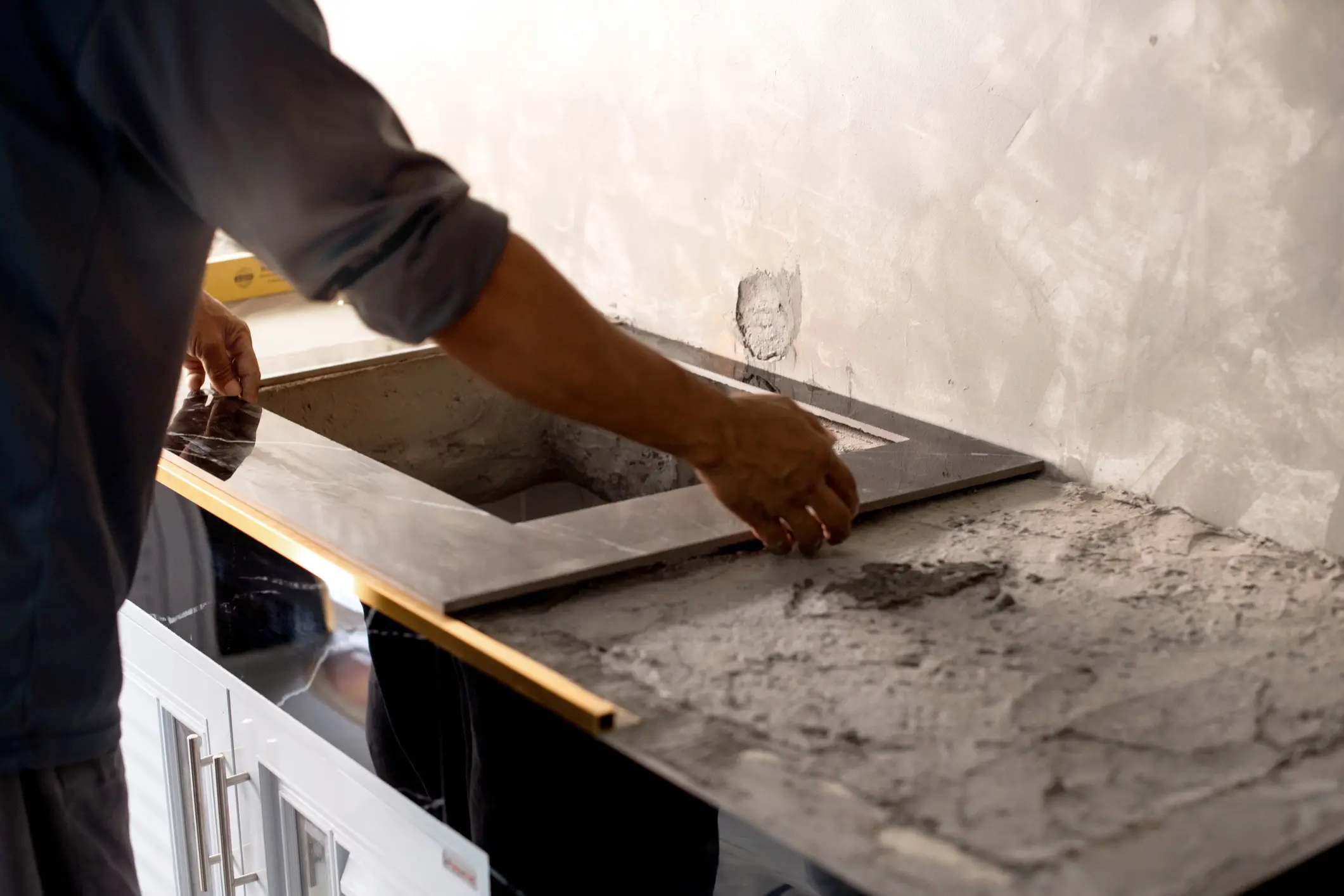
The kitchen is widely celebrated as the heart of the home, a bustling hub where culinary creativity meets daily life. When it comes to remodeling, the kitchen is also notoriously known as one of the most expensive rooms to update. For homeowners dreaming of a sleek, contemporary aesthetic, high-end solid surfaces like granite or quartz frequently present an insurmountable financial barrier.
Fortunately, you can achieve a premium, modern kitchen aesthetic without the premium price tag. Using a high-quality concrete reinforcer allows you to craft bespoke, durable countertops right in your own garage or backyard. This ultimate guide will break down the exact steps, costs, and professional secrets needed to build your own custom concrete countertops on a strict budget.
Why Concrete Countertops Are the Ultimate Budget Luxury
Commercial solid surfaces generally range from $70 to $150 per square foot installed by professionals. In stark contrast, raw materials for DIY concrete countertops typically average between $8 and $15 per square foot. This drastic price difference means an average kitchen can be completely remodeled for less than $500 in material costs.
Beyond the massive financial savings, concrete offers unprecedented design fluidity for custom home layouts. You construct the mold yourself, meaning you dictate the exact boundaries, thicknesses, and curves of your new counters. Furthermore, the aesthetic versatility ranges from a raw industrial gray to a polished finish that mimics expensive natural stone.
Choosing concrete also means you are opting for a surface that can outlast almost any other material in your home. When handled correctly, it handles daily wear, heavy cookware, and high traffic with absolute ease. It provides an architectural weight and presence to a room that thin laminates or synthetic materials simply cannot replicate.
Choosing Your Method: Pre-Cast vs. Cast-in-Place
Before purchasing your building materials, you must decide between the two foundational installation techniques. Each path requires a distinct workflow and alters how you finish the surface.
The Pre-Cast Method
- The Process: You construct an inverted mold using smooth melamine boards in a garage or workshop space.
- The Benefit: The surface resting against the smooth melamine becomes the finished top, guaranteeing a perfectly flat counter.
- The Downside: Cured concrete is incredibly heavy, requiring multiple people to safely lift, flip, and carry the slabs into the house.
The Cast-in-Place Method
- The Process: You build the formwork directly on top of your existing kitchen base cabinets.
- The Benefit: There is no heavy lifting or transport required, making it ideal for seamless, massive kitchen islands.
- The Downside: The entire messy process of pouring, grinding, and polishing happens directly inside your active kitchen living space.
Step-by-Step Guide to Crafting Custom Concrete Countertops
1. Precise Templating
Walls are rarely perfectly straight, so you must create a physical template of your cabinets using thin strips of plywood or cardboard. Mark the exact locations for your sink, faucet holes, and appliance cutouts. Taking the time to build an exact physical guide removes all guesswork later on.
2. Building the Molds
Place your templates onto 3/4-inch melamine sheets and build side walls to your desired countertop thickness. Seal every inside joint with 100% silicone caulking to create a smooth, rounded edge on your final concrete. This step ensures that liquid concrete cannot escape the forms during the pouring phase.
Learn More About Our Strong Sealant Here
3. Mixing and Pouring
Mix your standard countertop concrete according to the manufacturer’s specifications. To prevent structural cracking and improve the stone’s flexibility, make sure to add a premium concrete reinforcer directly into your liquid mix. Ensure your concrete mixture achieves a uniform consistency similar to thick oatmeal before you begin filling your forms.
4. Vibration and Consolidation
- Tap the sides of the mold vigorously with a rubber mallet to release trapped air pockets.
- Alternatively, hold a palm sander without paper against the formwork to force bubbles to rise to the top.
- Continue this process for at least 15 minutes to guarantee a smooth, pinhole-free face.
5. Proper Curing Protocols
Once the pour is complete, cover the molds tightly with plastic sheeting to lock in all available moisture. Concrete does not dry out to gain strength; instead, it undergoes a chemical curing process that requires sustained hydration. Allow the slabs to rest completely undisturbed for a minimum of five to seven days before attempting to open the forms.
6. The De-Molding Stage
Carefully unscrew the outer support walls of your melamine forms after the full curing week has passed. With the assistance of several capable helpers, slowly lift the heavy concrete slab from its edges rather than flat from the ends. Bending stresses can cause micro-fractures in young concrete, so keeping the piece vertical during movement is highly critical.
7. Polishing and Refining the Surface
Even with an incredibly smooth mold, your concrete face may feature microscopic pinholes or slight surface variations. Use a wet diamond polishing pad kit attached to a variable-speed orbital sander to smooth down the edges. If you spot tiny voids, fill them with a simple cement slurry paste, let it dry for a day, and perform a final sanding.
8. Sealing for Longevity
Raw concrete is porous and will easily absorb oils, wine, coffee, and acidic liquids. Apply a food-safe, penetrating sealer in 3 to 4 thin coats to establish an impermeable barrier against permanent stains. This protective shield ensures your kitchen remains safe, sanitary, and easy to clean for years to come.
Budget Planning: Cost Breakdown Table
| Material / Tool | Project Purpose | Estimated Budget Cost |
| Countertop Concrete Mix | Primary structural base material | $60 – $120 |
| Melamine Sheets (3/4-inch) | Creating the smooth casting forms | $50 – $90 |
| Concrete Reinforcer & Mesh | Maximizing tensile strength and preventing cracks | $45 – $75 |
| Silicone Caulking & Tools | Sealing mold joints for rounded edges | $15 – $25 |
| Diamond Polishing Pads | Smoothing the surface texture | $40 – $80 |
| Food-Safe Countertop Sealer | Protecting against liquid stains and acids | $50 – $100 |
| Total Estimated Cost | Based on a standard 35 sq. ft. kitchen | $260 – $490 |
Disclaimer: The prices listed above are estimated retail averages based on standard market data. Actual material costs can vary depending on your geographic location, current local supplier rates, and sales tax. Total project expenses do not include standard household tools you may already own.
Advanced Finishing Tips for an Upscale Look
If you want to elevate the aesthetic of your countertops beyond standard industrial gray, consider adding unique pigments. Liquid and powder colorants can be mixed directly into the wet concrete to create shades of charcoal, soft beige, or pure white. Always mix the pigment into your water supply first to guarantee uniform color distribution throughout the batch.
Another premium option is aggregate exposure, which creates an elegant look similar to terrazzo or polished granite. By grinding deeper into the concrete surface with your diamond polishing pads, you reveal the small decorative stones embedded inside the mix. You can even deliberately throw unique elements like colorful glass fragments or seashells into the mold during the pouring process.
Finally, managing your seams correctly is what separates an amateur DIY job from a true professional installation. Plan your slab breaks to fall naturally at logical points, such as beside major appliances or at natural corners. When installing the finished pieces, fill these minimal gaps with color-matched epoxy to create a smooth, visually continuous layout.
Frequently Asked Questions (FAQs)
How Do You Prevent DIY Concrete Countertops From Cracking?
Cracking is prevented by incorporating proper steel reinforcement and utilizing an advanced structural concrete modifier. Ensuring the mixture cures slowly under plastic sheeting for a full week also maximizes its ultimate strength.
Will Concrete Countertops Stain Easily In A Busy Kitchen?
Unsealed concrete will stain, but a high-quality penetrating polyurethane sealer prevents liquids from absorbing.
How Often Do Concrete Countertops Need To Be Resealed?
The frequency depends entirely on the type of sealer you select and how often you utilize your workspace. Generally, a high-quality topical or penetrating sealer will protect the surface effectively for three to five years.
Start Your Budget Kitchen Remodel with Leech Adhesives Today
Crafting your own custom concrete surfaces is an incredibly rewarding way to achieve a luxury kitchen aesthetic on a limited budget. By selecting the right casting method, preparing meticulous templates, and ensuring proper reinforcement, you can bypass the multi-thousand-dollar contractor fees. The final result is a highly durable, tailored feature that brings industrial soul and personalized craftsmanship into the heart of your home.
Are you ready to kick off your budget-friendly home remodeling project? Browse our full selection of high-performance Adhesive Products or ask our specialists to find professional-grade construction solutions for a flawless, long-lasting installation!